
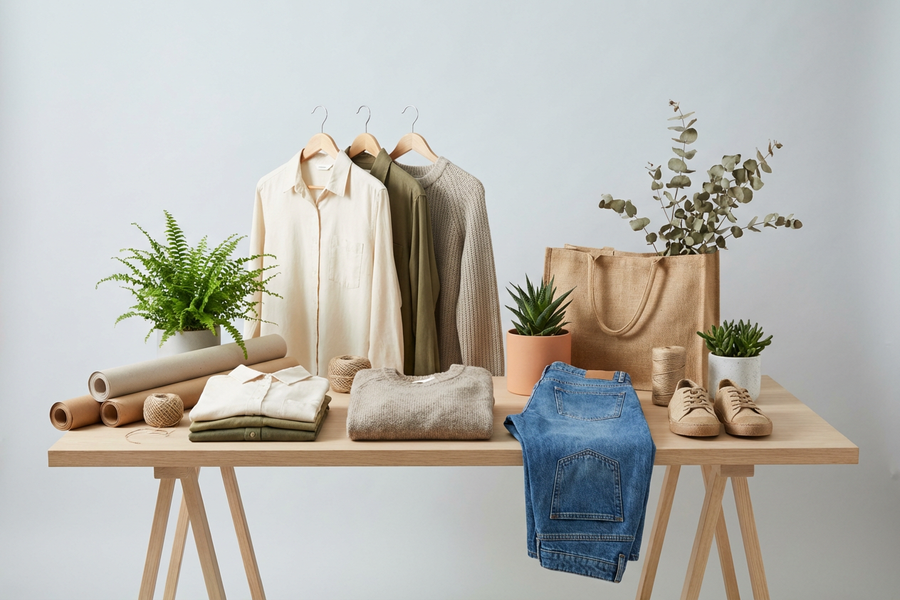
Sustainable fashion has moved into the mainstream. You now see major brands and emerging labels competing to prove their commitment to ethics, durability, and eco-conscious innovation. The industry is shifting toward circularity, regenerative agriculture, and carbon neutrality. Fashion is no longer just about style—it is about responsibility.
What Are the 7 Rs of Sustainable Fashion?
Experts highlight seven guiding principles for building a conscious wardrobe:
- Reduce – Buy fewer, higher-quality garments.
- Reuse – Swap or rent clothes to extend their life.
- Repair – Fix seams, zippers, and buttons instead of discarding.
- Recycle – Support brands using recycled fibers such as ECONYL.
- Repurpose – Turn old textiles into new designs.
- Resell – Keep clothes in circulation through second-hand markets.
- Rethink – Challenge fast fashion habits and align purchases with values.
Did you know that extending the life of a garment by just nine months reduces its carbon footprint by 20–30%?
Which Brands Lead in Sustainability (2025–2026)?
Global leaders are setting benchmarks:
| Brand | Key Initiative |
| Patagonia | 100% recycled/renewable materials, “1% for the Planet” |
| Adidas | 90% of products made with recycled materials |
| Nike | 100% supply chain waste diverted from landfills |
| Prada | Re-Nylon Collection using ECONYL yarn |
| Lululemon | Free repairs to extend garment life |
Emerging labels like Samad Apparel are gaining recognition for blending sustainable fabrics with modern design. According to market reports, sustainable apparel sales are projected to grow by 12% annually through 2030.
What Trends Will Shape 2026?
- Polyester-Free Shopping – Tools like Siftag allow you to filter out synthetic fabrics.
- The 30 Wears Rule – Buy only if you commit to wearing it at least 30 times.
- Upcycled Runway Collections – Designers use reclaimed textiles for high fashion.
- Capsule Wardrobes – Minimalist collections built on versatile pieces.
- Ethical Luxury – Premium brands prove sustainability can coexist with exclusivity.
Consumers are increasingly asking: How can I balance affordability with sustainability? Capsule wardrobes and resale platforms provide practical answers.
What Is the Theme for Sustainable Fashion Week 2025?
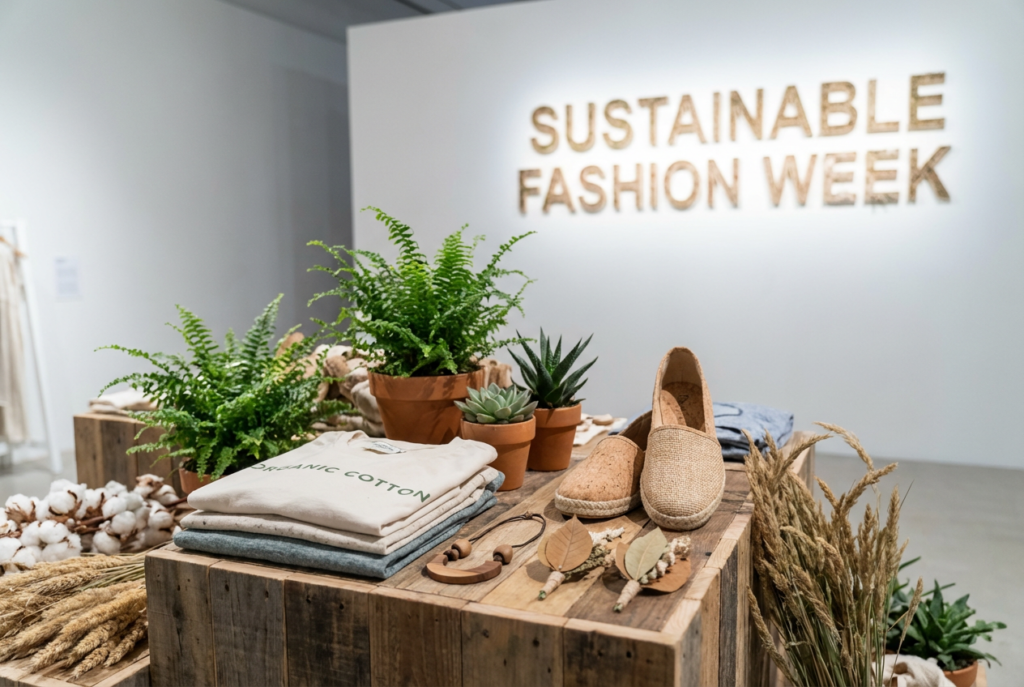
The theme is “Circular Creativity.” Expect collaborations between tech startups and fashion houses showcasing:
- AI-driven fabric tracking
- Blockchain transparency
- Zero-waste design
Industry analysts predict that blockchain-based supply chain tracking will grow by 40% in fashion by 2027, making transparency the new standard.
Why Are Consumers Asking These Questions?
- Which brand is most sustainable? Patagonia and Adidas rank high, but smaller labels like Samad Apparel redefine accessibility.
- What is the 30 wear rule? A consumer-driven test for mindful purchases.
- What are the 7 Rs? A holistic framework for conscious fashion.
- What’s the theme for Sustainable Fashion Week 2025? Circular Creativity, spotlighting innovation and inclusivity.
How Can You Make Progress Over Perfection?
The most sustainable garment is the one already in your wardrobe. Repairing a sweater, renting an outfit, or investing in ethical luxury all matter. Every purchase is a vote for a fashion industry that values people, planet, and creativity.
Global data shows that 102 million tonnes of clothing are projected to be produced annually by 2030. Your choices directly influence that number.
FAQs
1. What are the 7 Rs of sustainable fashion?
The 7 Rs are Reduce, Reuse, Repair, Recycle, Repurpose, Resell, and Rethink. They encourage you to buy fewer items, extend garment life, and challenge fast fashion habits.
2. Which fashion brand is the most sustainable in 2025–2026?
Patagonia and Adidas lead globally with strong commitments to recycled materials and carbon neutrality. Smaller labels such as Samad Apparel are redefining accessibility by offering affordable sustainable fabrics.
3. What is the 30 Wears Rule?
The 30 Wears Rule means you only buy an item if you commit to wearing it at least 30 times. It helps reduce waste and promotes mindful shopping.
4. What is the theme for Sustainable Fashion Week 2025?
The theme is “Circular Creativity.” It highlights innovation in upcycling, regenerative agriculture, and consumer empowerment. AI-driven fabric tracking and blockchain transparency will be showcased.
5. Why should you choose sustainable fashion?
Sustainable fashion reduces environmental impact, supports fair labor, and offers long-lasting quality. Extending garment life by nine months cuts its carbon footprint by up to 30%.
6. How can you start building a sustainable wardrobe?
Begin with a capsule wardrobe of versatile pieces. Repair existing clothes, buy second-hand, and invest in durable fabrics. Renting outfits for special occasions also reduces demand for new production.
7. Is sustainable fashion affordable?
Yes. Luxury brands lead innovation, but resale platforms, clothing swaps, and emerging labels make sustainable fashion accessible. Studies show that investing in durable pieces saves money over time.
8. What are the latest trends in sustainable fashion for 2026?
Key trends include polyester-free shopping, upcycled runway collections, and ethical luxury. Capsule wardrobes and resale markets are also gaining popularity.
9. How does sustainable fashion impact the planet?
By 2030, clothing production is projected to reach 102 million tonnes annually. Choosing sustainable apparel helps reduce this number and supports fair wages for garment workers worldwide.
10. What is the most sustainable garment you can own?
The most sustainable garment is the one already in your wardrobe. Repairing, reusing, and restyling existing clothes is the most effective way to reduce fashion’s footprint.
Explore expert insights and trending stories at USA Parameter.
