Regular pet health checkups protect your pet’s wellbeing and extend their life. You give your dog or cat the best chance at early disease detection when you schedule routine exams. Most adult pets need an annual wellness visit, while puppies, kittens, and senior pets require more frequent monitoring. Data from Total Veterinary Care shows that biannual exams for older pets catch age‑related conditions earlier, reducing complications and treatment costs.
You strengthen your role as a responsible owner when you commit to preventive care. A thorough “nose‑to‑tail” exam covers eyes, ears, teeth, skin, heart, lungs, and mobility. Vets also provide vaccinations, parasite prevention, and diagnostic screenings. Research from MarketWatch confirms that preventive care lowers veterinary expenses by up to 40%, proving that regular checkups are both a health safeguard and a financial advantage.
Why Should You Schedule Pet Health Checkups?
You protect your pet’s health when you book regular veterinary visits. Early detection prevents disease progression and reduces treatment costs. Research from MarketWatch shows preventive care lowers lifetime veterinary expenses by up to 40%. Pets often mask symptoms, so routine exams reveal hidden issues before they become serious.
How Often Should Pets Have Checkups?
Frequency depends on age and health status.
- Puppies and Kittens: Every 3–4 weeks until 16 weeks of age for vaccinations and growth monitoring.
- Adult Pets (1–7 years): Once annually for a full exam and booster shots.
- Senior Pets (7+ years): Twice yearly, as older pets face higher risks of kidney disease, arthritis, and heart conditions.
A 2026 survey by Total Veterinary Care found that 68% of senior pets benefit from biannual exams due to early detection of age‑related conditions.
What Happens During a Pet Health Check?
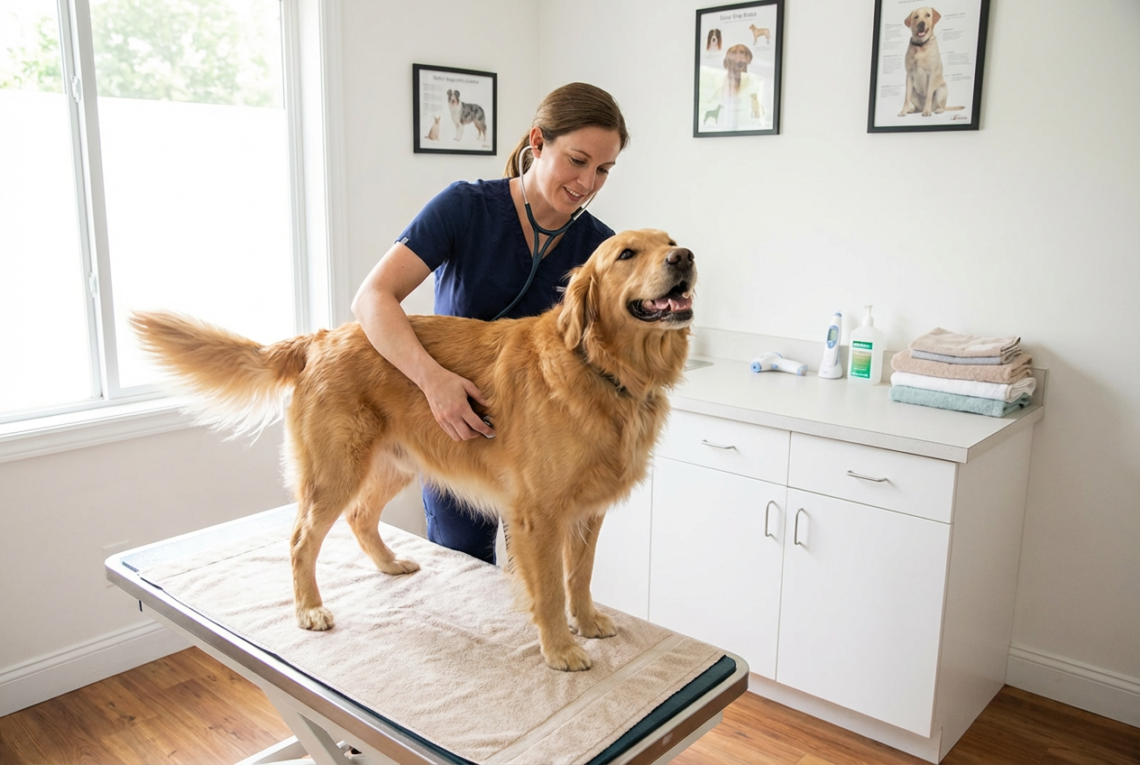
Your vet performs a thorough “nose‑to‑tail” exam.
- Eyes and ears checked for clarity, infections, or allergies.
- Teeth and gums examined for tartar and dental disease.
- Skin and coat assessed for parasites, lumps, or irritation.
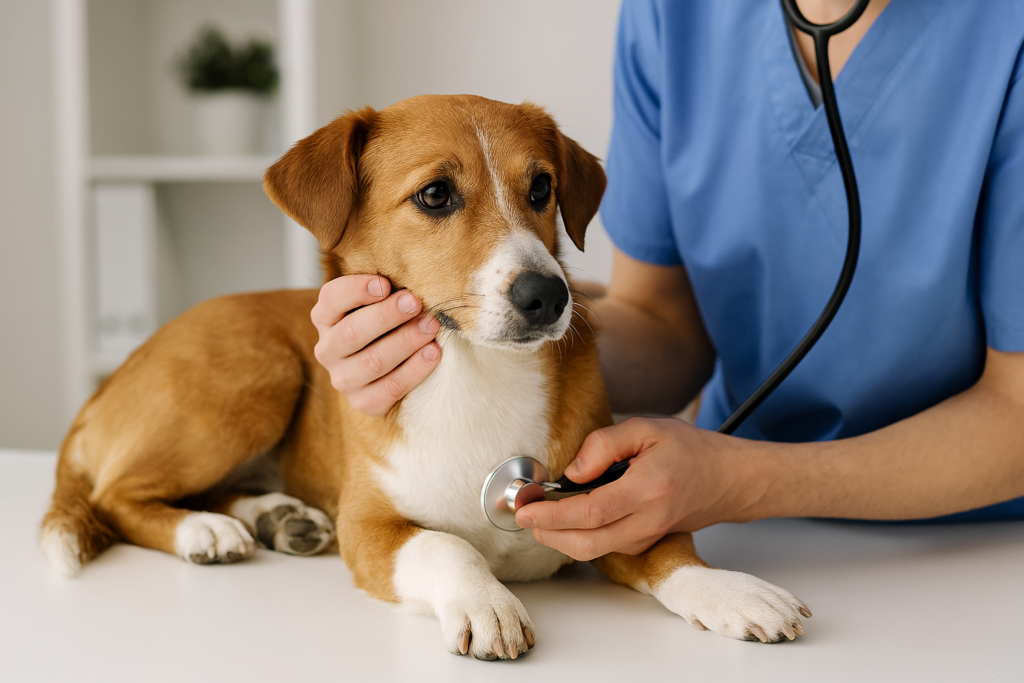
- Heart and lungs monitored with a stethoscope.
- Mobility evaluated for stiffness or arthritis.
- Weight, temperature, pulse, and respiration recorded.
Diagnostic screenings may include blood work, urinalysis, or fecal tests. Reidville Road Animal Hospital reports that 30% of pets show hidden issues detected only through lab tests.
What Preventive Care Is Included?
Your vet ensures vaccinations are current. Dogs receive Rabies and Distemper/DHPP, while cats receive FVRCP. Parasite prevention covers fleas, ticks, and heartworms. Microchipping is often recommended, costing $20–$75, and provides permanent identification.
How Much Does a Pet Health Check Cost?
| Service | Estimated Cost (USD) |
| Routine Exam | $55 – $146 |
| Vaccinations | $20 – $60 per shot |
| Blood Work | $80 – $200 |
| Fecal/Heartworm Tests | $45 – $75 |
| Microchipping | $20 – $75 |
Milton Keynes Vets notes that bundled wellness packages save up to 25% compared to individual services.
What Are the Benefits of Regular Pet Health Checks?
You gain peace of mind when your pet is monitored by professionals. Early detection makes treatment easier and less expensive. Tailored advice from your vet improves diet, exercise, and grooming routines. A study in Veterinary Medicine Journal found that pets receiving annual exams live on average 2–3 years longer than those without preventive care.
What Warning Signs Require Immediate Booking?
Book a vet visit if your pet shows:
- Appetite changes lasting more than 24 hours.
- Sudden lethargy or aggression.
- Persistent vomiting or diarrhea.
- Difficulty breathing.
- Limping or reluctance to climb stairs.
Should All Breeds Have Regular Health Checks?
Yes, but some breeds need closer monitoring. Persian cats face higher risk of polycystic kidney disease. Giant dog breeds over 45kg often develop arthritis earlier. Tailored checkups prevent complications in predisposed breeds.
What Can You Do Between Checkups?
You play a vital role in daily care. Feed a balanced diet to prevent obesity. Brush your pet’s teeth daily to reduce dental disease, which affects 80% of adult pets (American Veterinary Dental College). Monitor behavior changes and call your vet with concerns.
FAQs
Q: What is a healthy pet check?
A: A routine exam where vets assess physical health, administer vaccines, and run screenings.
Q: What diseases are commonly detected?
A: Kidney disease, arthritis, diabetes, heart conditions, and intestinal parasites.
Q: How often should pets have checkups?
A: Puppies/kittens every 3–4 weeks, adults annually, seniors twice yearly.
Q: What is included in a full vet check?
A: Physical exam, vaccinations, lab tests, parasite prevention, and consultation.
Q: How much does it cost?
A: $55–$146 for exams, plus additional fees for tests and vaccinations.
Final Thoughts
You give your pet the strongest defense against illness when you schedule regular health checkups. Routine exams uncover hidden problems early, reduce treatment costs, and extend lifespan. Data from Veterinary Medicine Journal shows that pets receiving preventive care live two to three years longer on average. That evidence confirms the value of consistent wellness visits.
You also build trust and comfort with your pet through proactive care. Annual or biannual exams, combined with daily attention to diet, dental hygiene, and behavior, create a complete health plan. Research from MarketWatch highlights that preventive care lowers veterinary expenses by up to 40%. When you stay consistent, you ensure your companion enjoys vitality, security, and a longer, healthier life.
Explore smart parameters, fast insights, and practical solutions at USAParameter.