
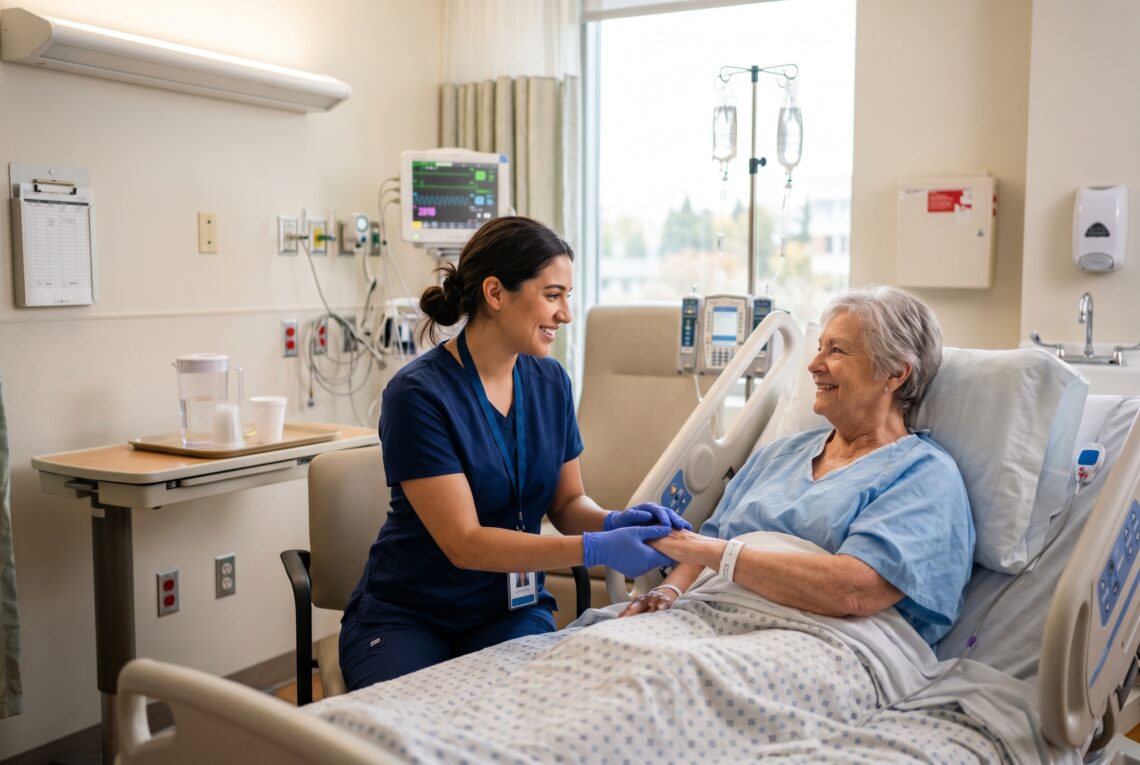
A Patient Care Technician plays a frontline role in modern healthcare. You provide direct support to patients under the supervision of nurses and doctors. Your duties combine clinical skills such as phlebotomy and EKG testing with daily care tasks like feeding, mobility, and hygiene. Hospitals, nursing homes, and rehabilitation centers rely on PCTs to improve patient outcomes and reduce nurse workload. According to the U.S. Bureau of Labor Statistics, nursing assistants earn a median annual salary of $39,430 in 2024, and PCTs often command higher pay due to advanced training. Demand for healthcare support roles continues to rise, with 1.9 million new jobs projected annually between 2024 and 2034.
What is a Patient Care Technician?
A Patient Care Technician is a frontline healthcare worker who supports patients under the supervision of nurses and doctors. You ensure comfort, safety, and accurate medical monitoring. Unlike general assistants, you combine daily living support with clinical skills such as phlebotomy and EKG testing.
What Does a PCT Do?
You perform both clinical and supportive tasks:
- Vital signs monitoring: Blood pressure, heart rate, temperature, respiration.
- Phlebotomy and EKGs: Drawing blood and conducting electrocardiograms.
- Daily living support: Bathing, dressing, feeding, hygiene.
- Mobility assistance: Transfers between beds, wheelchairs, exam tables.
- Preventative care: Turning bedbound patients to prevent bedsores.
- Sample collection: Blood, urine, stool for lab testing.
- Emotional support: Comforting patients and families.
Hospitals report that PCTs reduce nurse workload by up to 20%, improving patient satisfaction scores.
Where Do PCTs Work?
You can work in:
- Hospitals and acute care centers
- Nursing homes and assisted living facilities
- Dialysis clinics
- Rehabilitation centers
- Home health agencies
- Doctors’ offices and outpatient clinics
Is a PCT the Same as a CNA?
No. While Certified Nursing Assistants (CNAs) focus on hygiene and mobility, PCTs receive advanced training.
| Role | Scope | Certification | Average Pay |
| PCT | Vitals, phlebotomy, EKGs, wound care | CPCT (NHA) | $18–$22/hr |
| CNA | Hygiene, feeding, mobility | CNA license | $15–$18/hr |
How Much Do PCTs Earn?
- Median annual salary (2024): $39,430 (~$18.96/hr)
- Top‑paying states: Connecticut, California, New York ($20–$23/hr).
- Factors: Location, specialization, and years of experience.
Healthcare employment is projected to add 1.9 million jobs annually between 2024–2034.
How Do You Become a PCT?
Steps include:
- Education: High school diploma or GED.
- Training programs: Community colleges, vocational schools, or institutes (4–12 months).
- Certification: Pass the Certified Patient Care Technician (CPCT) exam via the National Healthcareer Association (NHA).
- Specialization: Dialysis, ER, telemetry, or rehabilitation technician roles.
Advanced learners often enroll in Rice University’s Medical Terminology Specialization or Johns Hopkins’ Patient Safety program to strengthen career prospects.
What Skills Do PCTs Need?
Technical Skills
- Vital signs monitoring
- Phlebotomy and EKGs
- CPR and first aid
- Wound care and catheterization
- Safety checks and infection control
Workplace Skills
- Interpersonal skills: Building trust with patients
- Problem‑solving: Handling emergencies quickly
- Communication: Reporting patient conditions to nurses/doctors
- Physical stamina: Assisting with patient transfers
Why Choose a Career as a PCT?
You gain:
- A rewarding role in patient comfort and safety
- Career advancement into nursing or specialized technician paths
- Stable employment in a growing healthcare sector
- Competitive salaries compared to entry‑level healthcare positions
Final Thoughts
A Patient Care Technician plays a vital role in healthcare delivery. You combine clinical skills with compassionate support, making you essential in hospitals, nursing homes, and rehabilitation centers. The demand for PCTs continues to grow, with healthcare projected to add 1.9 million jobs annually between 2024 and 2034. If you want a career that blends technical expertise with patient care, becoming a PCT offers stability, advancement, and meaningful impact.
FAQs
What is the difference between a PCT and a CNA?
A CNA focuses on hygiene, feeding, and mobility. A PCT performs advanced tasks such as phlebotomy, EKGs, and wound care.
How much do PCTs earn in the US?
The median annual salary is $39,430 (~$18.96/hr). States like Connecticut and California pay up to $23/hr.
Where do PCTs work?
You can work in hospitals, nursing homes, dialysis clinics, rehabilitation centers, and home health agencies.
How long does PCT training take?
Programs last 4–12 months depending on the institution and specialization.
Is certification required to become a PCT?
Yes. Most employers require the Certified Patient Care Technician (CPCT) credential from the National Healthcareer Association (NHA).
What skills make a successful PCT?
You need technical skills like vital signs monitoring, phlebotomy, and CPR, plus workplace skills such as communication, problem‑solving, and physical stamina.
Stay informed with reliable insights, trending updates, and valuable knowledge across technology, business, lifestyle, and more at USA Parameter.